
Laboratory in Hialeah
Laboratory testing turns a small sample of blood or urine into clear information about your health. At Ven A Verte Medical Center in Hialeah, FL, we use testing thoughtfully as part of primary care, and we explain every result in plain language.
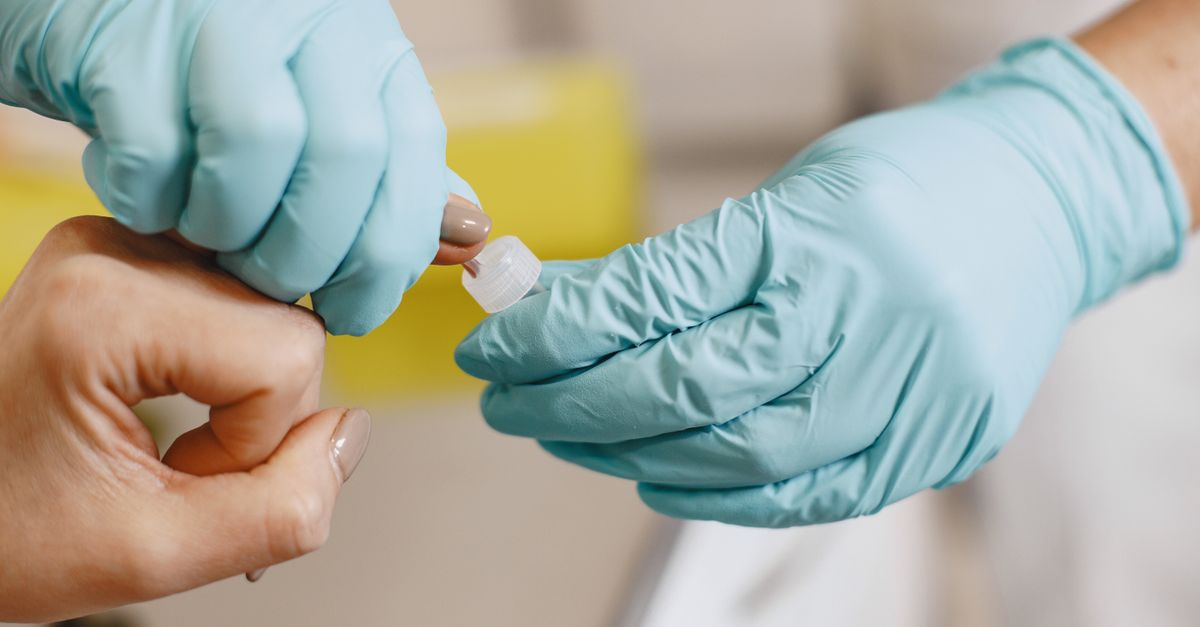
What is Laboratory?
Laboratory services are the tests performed on samples such as blood, urine or swabs to measure what is happening inside the body. Many conditions, including diabetes, high cholesterol, thyroid disorders, anemia and kidney problems, can develop quietly for years before causing symptoms. A simple lab test can detect them early, when they are usually easier to manage.
Lab work helps in several ways. It screens healthy people for hidden risk, helps clarify the cause of symptoms such as fatigue or unexplained weight change, and tracks whether a treatment is working. For people living with chronic conditions, regular testing shows trends over time that a single office visit cannot reveal.
Good testing is guided by evidence and by the individual. Professional guidelines recommend certain screenings at certain ages or risk levels, and more testing is not always better. Results are only meaningful when interpreted alongside your history, an exam and your goals, which is why we review them with you directly.
When laboratory testing may be useful
- Routine yearly checkups and preventive screening
- Monitoring of diabetes, cholesterol or blood pressure conditions
- Persistent fatigue, weight change or unexplained symptoms
- Follow-up on how a medication is working or affecting the body
- Suspected infection, such as urinary or throat symptoms
- Family history that calls for earlier or more frequent screening
What to Expect
- Routine yearly checkups and preventive screening
- Monitoring of diabetes, cholesterol or blood pressure conditions
- Persistent fatigue, weight change or unexplained symptoms
- Results reviewed with you in plain language
- Repeat testing when needed to track progress over time
Our Approach to Laboratory
Initial Assessment
We begin with your history, current symptoms, medications and family background. This helps decide which tests are useful and which are not, so you avoid unnecessary testing.
Personalized Plan
Testing is matched to your needs. We explain what each test looks for, any preparation such as fasting, and how the results will change your care.
Ongoing Support
Once results are back, we review them with you in plain language, discuss next steps and decide whether repeat testing is needed to track progress over time.
Benefits
Early Detection
A simple lab test can detect conditions early, when they are usually easier to manage.
Evidence-Guided Testing
We use testing thoughtfully so you avoid unnecessary tests.
Plain-Language Results
We review results with you in the context of your symptoms and history and explain what they mean for you.
What to Expect
First Visit
We review your history and decide which tests make sense, then explain any preparation such as fasting.
Week 2-4
Results are typically reviewed within this window. We go over what is normal, what is not and what to do next.
Month 1-3
If you began a treatment or lifestyle change, repeat testing may be used to see whether the numbers are moving in the right direction.
Long-term
Periodic testing based on your age, risks and conditions helps keep your care current and catches changes early.
Common tests and how they are used
A complete blood count looks at red cells, white cells and platelets and can point to anemia or infection. A comprehensive metabolic panel reviews kidney and liver function, electrolytes and blood sugar. Lipid panels estimate cardiovascular risk, while hemoglobin A1c shows average blood sugar over about three months and is central to diabetes screening and monitoring.
Thyroid tests, vitamin levels and urinalysis may be added when your symptoms or history suggest them. If results show something that needs attention, treatment may involve lifestyle guidance, medication, further testing or referral to a specialist, depending on the finding.
Timeline note
Timelines vary by test and individual.
Common Questions About Laboratory
Do I need to fast before blood work?
Some tests, such as fasting glucose and certain cholesterol panels, are more accurate after fasting, usually for eight to twelve hours. Others do not require it. Ask when scheduling so you know how to prepare, and drink plain water unless told otherwise.
How long do lab results take?
It depends on the test. Many common blood and urine tests return within a few days, while specialized tests can take longer. We will tell you what to expect for your specific tests.
What is included in routine blood work?
Routine panels often include a complete blood count, a metabolic panel to assess kidney function, blood sugar and electrolytes, and a lipid panel for cholesterol. Additional tests such as thyroid or vitamin levels may be added based on your health.
Will someone explain my results?
Yes. Numbers outside a reference range are not always a problem, and normal numbers do not always mean nothing is wrong. We review results in the context of your symptoms and history and explain what they mean for you.
How do I schedule laboratory testing?
Call (786) 542-1882 or use our contact page to ask about testing at our Hialeah office at 5341 W 20th Ave. We can help you understand which tests may be appropriate.
Ready to Get Help with Laboratory?
Call (786) 542-1882 or visit us at 5341 W 20th Ave, Hialeah, FL 33012.
Book an Appointment