
Asthma Treatment in Hialeah
Asthma can make everyday breathing, sleep and activity feel like a struggle, but it can be controlled with the right plan. At Ven A Verte Medical Center, we help Hialeah patients find triggers, use medication correctly and breathe with more confidence.
Understanding Asthma
Asthma is a chronic condition in which the airways of the lungs become inflamed and narrowed, and the muscles around them tighten. The result is wheezing, coughing, chest tightness and shortness of breath that can vary from day to day. Asthma affects millions of children and adults in the United States and is one of the most common long-term respiratory conditions. It can interfere with sleep, school, work, exercise and social life, and unpredictable flare-ups can cause anxiety about going about normal routines.
Asthma develops from a combination of genetics and environment. A family history of asthma, allergies or eczema raises the risk, as do childhood respiratory infections, exposure to tobacco smoke, obesity and certain workplace irritants. Common triggers include dust mites, mold, pollen, pet dander, cockroach allergens, air pollution, strong fragrances, cold air, exercise, acid reflux and viral infections. In a warm, humid area like Hialeah, mold and dust mites can thrive indoors, and seasonal allergens may be present for much of the year, which makes trigger awareness especially useful.
Professional treatment matters because asthma that seems mild can still cause dangerous attacks, and untreated airway inflammation can contribute to lasting changes over time. Many people live with symptoms for years, assuming they are normal. A clinician can confirm the diagnosis, check for related problems such as allergies, reflux or sleep issues, teach proper inhaler technique and build a written action plan. Regular follow-up lets treatment be stepped up or down so you use the least medication needed to stay well.
Signs & Symptoms of Asthma
- Wheezing. A whistling or squeaky sound when you breathe out, caused by narrowed airways.
- Shortness of breath. A feeling of not getting enough air, often during activity or at night.
- Chest tightness. Pressure or squeezing in the chest that may come and go with triggers.
- Chronic cough. A dry or persistent cough, often worse at night or in the early morning.
- Exercise-related symptoms. Coughing or breathlessness that begins during or after physical effort.
- Night-time waking. Waking from sleep with coughing, wheezing or tightness in the chest.
- Trigger-related flares. Symptoms that worsen around dust, pollen, mold, smoke, pets or strong odors.
- Symptoms with colds. Respiratory infections that linger in the chest or set off wheezing.
What to Expect
- Assessment of symptoms, family history, triggers and past treatment, with possible breathing tests such as spirometry
- A written asthma action plan with daily medicines and rescue steps
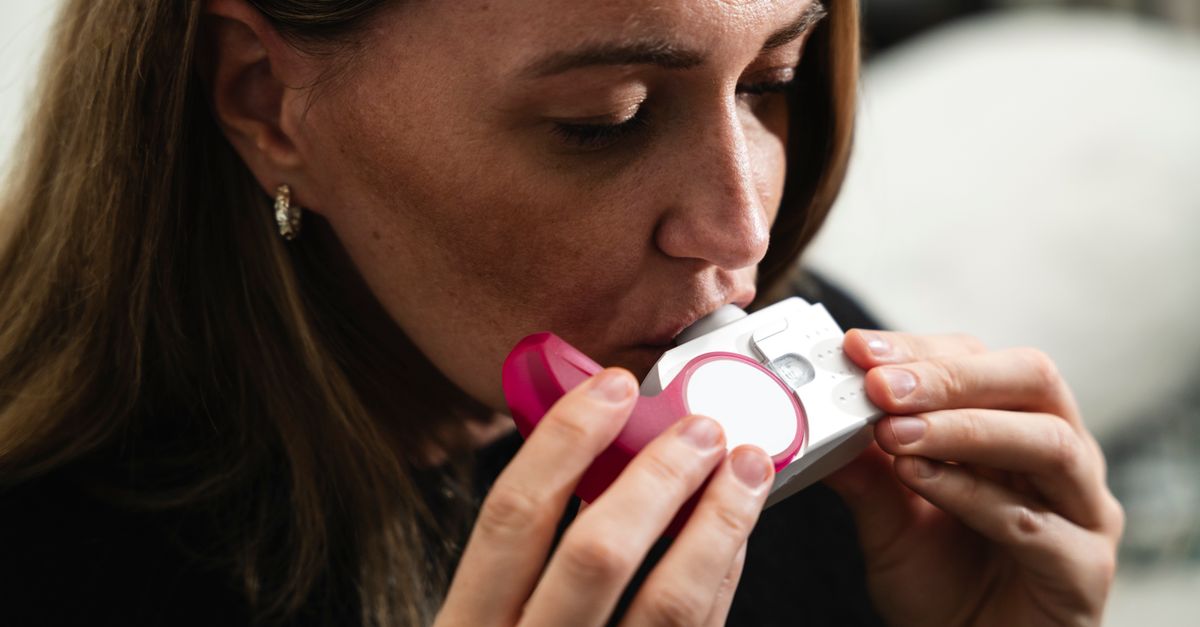
- Instruction on correct inhaler use and reducing trigger exposure
- Follow-up with medicines adjusted up or down as needed
- Long-term management with regular check-ins
How We Treat Asthma
Assessment
We review your symptoms, family history, triggers and past treatment. A physical exam and lung evaluation, which may include breathing tests such as spirometry, help confirm the diagnosis. We also look for conditions that can worsen asthma, such as allergies or reflux.
Treatment Plan
We create a written asthma action plan matched to your symptoms. It spells out daily medicines, rescue steps and what to do when symptoms change. We also show you how to use your inhaler correctly and how to reduce exposure to your triggers.
Ongoing Care
We follow up to see how well your asthma is controlled and whether you are having night symptoms or needing your rescue inhaler often. Medicines are adjusted up or down as needed. Vaccinations and trigger strategies are reviewed as part of continuing care.
Benefits
A Personalized Care Plan
Your asthma plan is built around your symptoms, triggers and daily life, not a generic template.
Unhurried Time to Ask Questions
We want you to understand your medications, your inhaler and your plan, so you can ask what matters to you.
Coordinated Follow-Up
We keep track of how you are doing and adjust your plan so your care stays connected over time.
Your Treatment Journey
First Evaluation (Week 1)
We discuss your history, examine you, consider breathing tests and identify likely triggers. You leave with a starting plan and instructions on inhaler use.
Treatment Begins (Weeks 2-4)
You start your medicines and trigger-reduction steps. Many people notice fewer symptoms in this period, though full control can take longer.
Progress Review (Months 2-3)
We review symptoms, rescue inhaler use and sleep, then adjust the plan. Some people need dose changes or a different medication.
Long-term Management
Asthma is typically managed over the long run. Regular check-ins keep your plan current as seasons, health and life circumstances change.
Warning Signs That Need Prompt Care
Severe breathlessness. Difficulty speaking in full sentences because of trouble breathing.
Rescue inhaler not helping. Little or no relief after using your quick-relief inhaler as directed.
Needing relief more often. Using a rescue inhaler more frequently than usual signals poor control.
Blue or gray lips. Color change in lips or fingernails suggests low oxygen and needs emergency care.
Chest or neck retractions. Skin pulling in around the ribs or neck with each breath.
Peak flow dropping. Readings falling into your action plan’s warning zone.
Rapid worsening. Symptoms that escalate quickly over minutes or hours.
Confusion or drowsiness. Unusual sleepiness or confusion during an attack is an emergency sign.
If you recognize these signs, help is available. Early treatment leads to better outcomes.
Evidence-Based Asthma Care
Evidence-based asthma care follows a stepwise approach. Quick-relief medicines such as albuterol relax tight airways during symptoms. Inhaled corticosteroids, often the foundation of daily control, reduce airway inflammation, and some people use combination inhalers that add a long-acting bronchodilator. Other options include leukotriene modifiers, and for selected severe cases, referral for biologic therapy may be considered. Allergy management, peak flow monitoring, spacer use and vaccines such as influenza are also important parts of a complete plan.
Why Choose Ven A Verte Medical Center for Asthma Treatment
Our approach centers on a personalized care plan, unhurried time to ask questions, and coordinated follow-up.
Common Questions About Asthma
How long does asthma treatment take?
Asthma is a long-term condition, so treatment is usually ongoing rather than a one-time fix. Many people notice better control within a few weeks of starting a controller plan, and the plan is then reviewed and adjusted over time.
Is medication required for asthma?
Most people with asthma use a quick-relief inhaler, and many also need a daily controller medication to reduce airway inflammation. Your clinician will recommend what fits your symptoms, along with trigger avoidance.
Does insurance cover asthma treatment?
Coverage varies by plan and we do not list specific plans here. Please call (786) 542-1882 to ask about coverage and your options before your visit.
What if the first treatment does not work?
That is common and does not mean you are out of options. Technique, adherence, triggers and other conditions are reviewed, and medications or doses can be changed or added.
What triggers asthma in South Florida?
Humidity-related mold, dust mites, pollen, Saharan dust, pets, smoke and respiratory infections are common triggers. Identifying yours is a key part of control.
When should I go to the emergency room?
Seek emergency care if you are struggling to breathe, cannot speak in full sentences, have blue lips, or your rescue inhaler is not helping. Call 911 in those situations.
Get Help for Asthma Today
You don't have to face Asthma alone. We are ready to help. Call (786) 542-1882 · 5341 W 20th Ave, Hialeah, FL 33012
Schedule an Appointment