
COPD Treatment in Hialeah
Chronic obstructive pulmonary disease can make every breath feel like work, but it can be managed. At Ven A Verte Medical Center in Hialeah, FL, we build a personalized primary care plan to ease your symptoms, prevent flare-ups, and help you stay active.
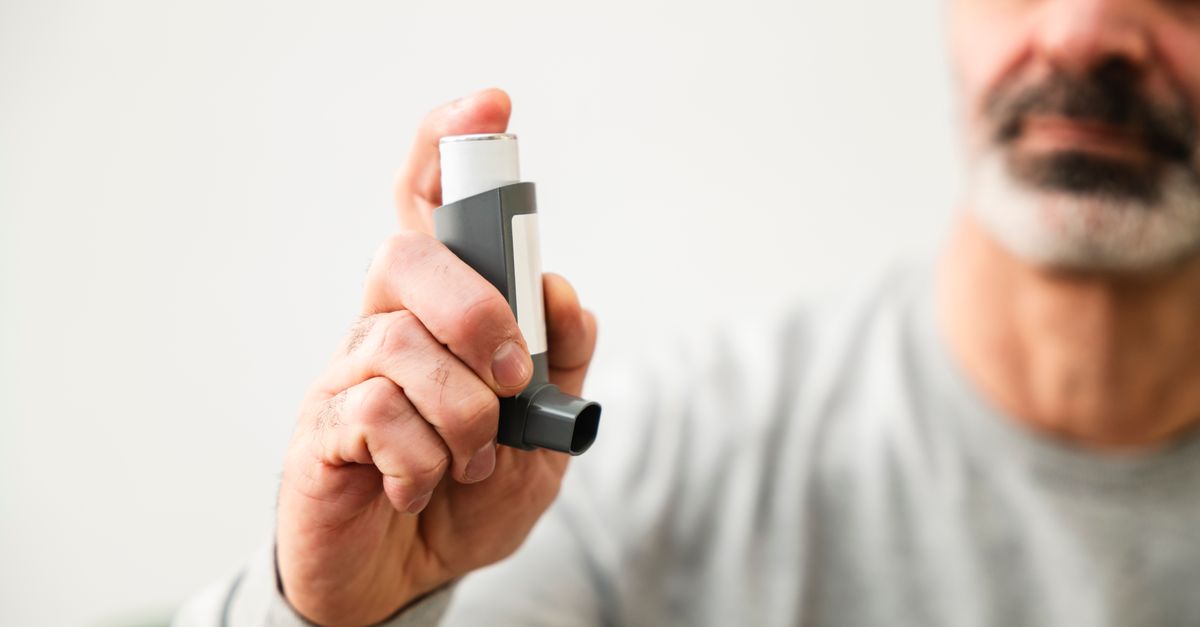
Understanding COPD
Chronic obstructive pulmonary disease, or COPD, is a long-term lung condition that blocks airflow and makes breathing difficult. It includes emphysema, which damages the tiny air sacs in the lungs, and chronic bronchitis, which inflames and narrows the airways and produces excess mucus. COPD is among the most common chronic lung diseases in adults and is a leading cause of disability and death worldwide. Many people live with it for years before being diagnosed, often assuming their cough or breathlessness is simply part of aging or smoking.
The most important cause is long-term exposure to irritants that damage the lungs, and cigarette smoking is by far the leading one. Other risk factors include secondhand smoke, occupational exposure to dust, fumes, and chemicals, heavy air pollution, and burning fuels for cooking or heating in poorly ventilated spaces. A less common inherited condition called alpha-1 antitrypsin deficiency can cause COPD, even in people who have never smoked. A history of childhood respiratory infections and asthma can also raise risk. Symptoms usually appear in middle age or later, after years of gradual lung damage.
Professional treatment matters because COPD tends to progress quietly and flare-ups can cause lasting loss of lung function. A proper diagnosis typically involves a medical history, a physical exam, and breathing tests such as spirometry, which measures how much air you can move and how quickly. With a confirmed diagnosis, treatment can reduce symptoms, lower your risk of hospitalization, improve your ability to exercise, and help you stay on top of related concerns like heart health, infections, and mood. Early, consistent care gives the best chance of protecting the lung function you have.
Signs & Symptoms of COPD
- Chronic cough. A cough that lingers for weeks or months, often worse in the morning.
- Mucus production. Regularly clearing phlegm from the chest or throat.
- Shortness of breath. Breathlessness during activities that used to feel easy, such as climbing stairs.
- Wheezing. A whistling or squeaking sound when breathing out.
- Chest tightness. A feeling of pressure or constriction across the chest.
- Frequent respiratory infections. Colds, bronchitis, or flu that seem to hit harder and last longer.
- Fatigue. Low energy because breathing takes more effort.
- Reduced activity tolerance. Avoiding walks, chores, or hobbies because they leave you winded.
What to Expect
- Assessment with symptom review, exposure history, and breathing tests such as spirometry
- Personalized treatment plan with inhalers and a written flare-up action plan
- Regular follow-up to adjust medications and review inhaler technique
- Vaccinations, smoking cessation support, and pulmonary rehabilitation as appropriate
- Coordinated referrals when additional specialty care would help
How We Treat COPD
1. Assessment
We review your symptoms, smoking and exposure history, and current medications. Breathing tests such as spirometry help confirm COPD and measure its severity. We also look for related issues like heart disease, low oxygen, and other conditions that affect breathing.
2. Treatment Plan
Together we create a plan matched to your symptoms and goals. It may include inhalers, a written action plan for flare-ups, and steps to avoid triggers. We explain each part clearly so you know what to do day to day.
3. Ongoing Care
COPD needs regular follow-up, so we check how your symptoms and breathing are responding. We adjust medications, review inhaler technique, and update your plan as needed. We also coordinate referrals when additional specialty care would help.
Benefits
A Personalized Care Plan
Your COPD plan reflects your symptoms, lifestyle, and goals rather than a one-size-fits-all template.
Unhurried Time to Ask Questions
We want you to understand your diagnosis, your inhalers, and what to do if symptoms change.
Coordinated Follow-Up
We keep your care connected, from monitoring your progress to arranging referrals when you need them.
Your Treatment Journey
First Evaluation (Week 1)
We discuss your symptoms and history, perform an exam, and arrange breathing tests. You leave with a clearer picture of your lungs and next steps.
Treatment Begins (Weeks 2-4)
You start medications and lifestyle steps, and learn proper inhaler technique. Many people feel some relief early, though improvement is gradual.
Progress Review (Month 2-3)
We review how you are breathing, how often you need your rescue inhaler, and any flare-ups. Your plan is adjusted if needed.
Long-term Management
COPD is lifelong, so we continue regular check-ins, vaccinations, and plan updates. The aim is steady control and the best possible quality of life.
Warning Signs That Need Prompt Care
Severe breathlessness at rest. Struggling to catch your breath while sitting still needs urgent attention.
Blue or gray lips or fingertips. This can signal low oxygen levels in the blood.
Difficulty speaking. Being unable to finish a sentence without pausing for air.
Sudden worsening of symptoms. A flare-up (exacerbation) with more cough, mucus, or breathlessness than usual.
Change in mucus color. Yellow, green, or bloody mucus may point to infection.
Fever with worsening cough. Possible respiratory infection that can quickly destabilize COPD.
Confusion or unusual drowsiness. May indicate high carbon dioxide or low oxygen levels.
Swelling in ankles or legs. Can suggest strain on the heart from long-standing lung disease.
If you recognize these signs, help is available. Early treatment leads to better outcomes.
Evidence-Based COPD Care
Evidence-based COPD care combines several approaches. Short-acting and long-acting bronchodilators (such as beta-agonists and anticholinergics) open the airways, and inhaled corticosteroids may be added for people with frequent flare-ups. Rescue inhalers relieve sudden symptoms, while short courses of oral steroids or antibiotics may be used during exacerbations. Smoking cessation support, including counseling and approved medications, is the most powerful way to slow progression. Vaccinations against influenza, pneumonia, COVID-19, and RSV (when appropriate) reduce the risk of dangerous infections. Pulmonary rehabilitation, which pairs supervised exercise with breathing techniques and education, can improve stamina and quality of life, and supplemental oxygen may be recommended when blood oxygen levels are persistently low.
Why Choose Ven A Verte Medical Center for COPD Treatment
A Personalized Care Plan
Unhurried Time to Ask Questions
Coordinated Follow-Up
Common Questions About COPD
How long does COPD treatment take?
COPD is a chronic condition, so treatment is ongoing rather than a short course. Many people notice symptom relief from inhalers within days to weeks, while lifestyle changes, rehabilitation, and regular monitoring build benefits over months. The goal is to slow progression, reduce flare-ups, and keep you active.
Is medication required for COPD?
Most people with COPD benefit from medication, commonly bronchodilator inhalers that relax the airways and, in some cases, inhaled corticosteroids. Your clinician will decide what is appropriate based on your symptoms, breathing tests, and flare-up history. Quitting smoking and vaccinations are also key parts of treatment.
Does insurance cover COPD care?
Coverage varies by plan and by service. Please call our office at (786) 542-1882 and we can talk through your questions, and you should also confirm details directly with your insurance company.
What if the first treatment does not work?
COPD care is adjusted over time. If symptoms are not well controlled, your clinician can change inhaler types or doses, review your technique, look for other contributing conditions, consider pulmonary rehabilitation, or refer you to a lung specialist.
Can COPD be cured or reversed?
Lung damage from COPD cannot be reversed, but treatment can relieve symptoms, reduce flare-ups, improve exercise capacity, and slow decline. Stopping smoking is the single most effective step to protect remaining lung function.
When should I seek COPD care in Hialeah?
Schedule a visit if you have a persistent cough, wheezing, or breathlessness, especially if you smoke or have been exposed to irritants. If you have severe trouble breathing, blue lips, or confusion, call 911 or go to the nearest emergency department.
Related Conditions
Related
Asthma
Airway inflammation causing wheezing and breathlessness, often overlapping with COPD symptoms.
Related
Hypertension
High blood pressure commonly coexists with chronic lung disease and needs steady monitoring.
Related
Diabetes
Managing blood sugar supports overall health and recovery from respiratory infections.
Get Help for COPD Today
You don't have to face COPD alone. We are ready to help.
Schedule an Appointment