
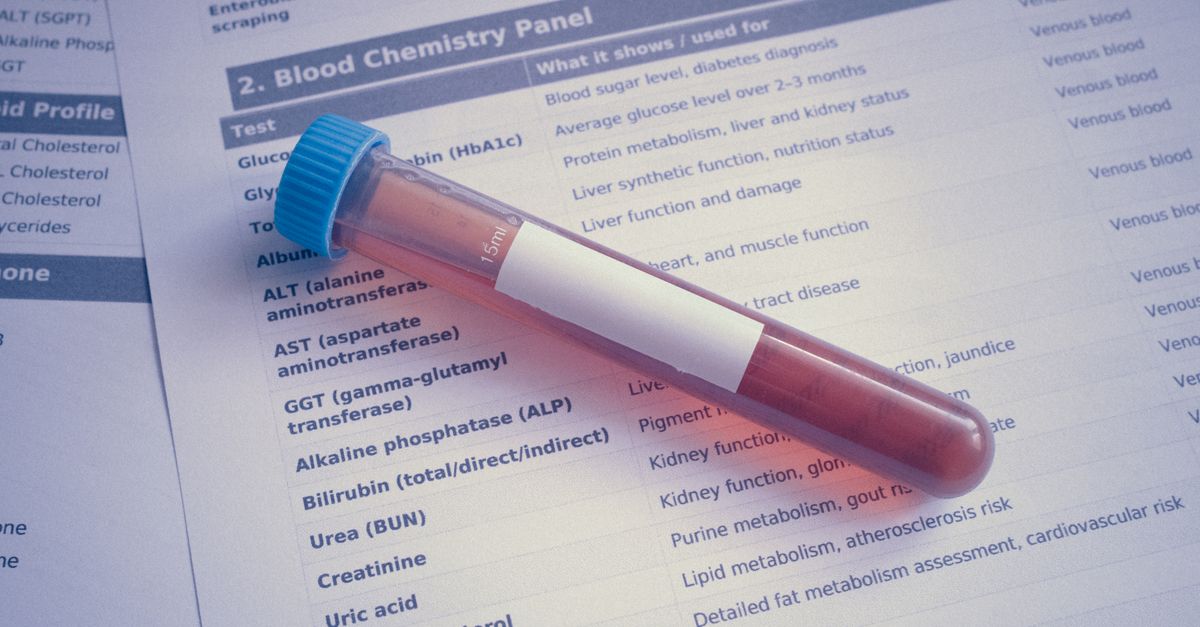
You get a call or a portal message: your lab results are in. Suddenly you are staring at a page of abbreviations, numbers and little flags next to some of them. It is natural to feel a flutter of worry. The good news is that blood tests are among the most useful tools in primary care, and once you know what they measure, the results become far less intimidating.
Why Blood Tests Matter
A small sample of blood offers a window into how your organs, hormones, and immune system are working. Blood tests can detect problems before symptoms appear, help explain symptoms you already have, and show whether a treatment is working. They are a routine part of preventive care for adults, and guidelines from groups such as the U.S. Preventive Services Task Force recommend screening for conditions like high cholesterol, diabetes, and certain infections based on age and risk factors.
Complete Blood Count (CBC)
The CBC counts the cells in your blood. It reports red blood cells and hemoglobin, which carry oxygen; white blood cells, which fight infection; and platelets, which help blood clot. Low hemoglobin can point to anemia, which may cause fatigue, shortness of breath, or pale skin. A high white cell count may suggest infection or inflammation. A CBC is often ordered for tiredness, frequent infections, or unexplained bruising.
Metabolic Panels
A basic or comprehensive metabolic panel checks blood sugar, electrolytes such as sodium and potassium, and markers of kidney function like creatinine. The comprehensive version also looks at liver enzymes and proteins. These tests help evaluate hydration, kidney and liver health, and the effects of some medications. Many are done fasting, though not always, so confirm the instructions beforehand.
Blood tests can detect problems before symptoms appear, help explain symptoms you already have, and show whether a treatment is working.
Lipid Panel, A1C, and Thyroid Tests
A lipid panel measures total cholesterol, LDL, HDL, and triglycerides, which together help estimate your risk of heart disease and stroke. Hemoglobin A1C reflects your average blood sugar over roughly the past three months and is used to screen for prediabetes and diabetes and to monitor treatment. Thyroid-stimulating hormone (TSH) shows whether your thyroid is underactive or overactive, which can affect energy, weight, mood, and heart rate.
Other commonly ordered tests include vitamin D, vitamin B12, iron studies, and inflammation markers. Whether any of these make sense for you depends on your symptoms, history, and risk factors.
What "Abnormal" Really Means
Reference ranges are usually based on values seen in a large group of healthy people, so a result slightly outside the range is not always a disease. Hydration, recent meals, exercise, stress, medications, and normal day-to-day variation can all nudge numbers. That is why a clinician interprets results alongside your symptoms and history, and may repeat a test before drawing conclusions.
Tips for Getting the Most From Your Labs
- Ask whether you need to fast, and for how many hours, before your draw.
- Drink plenty of water unless told otherwise; it makes the draw easier.
- Bring a list of every medication and supplement you take.
- Ask for a copy of your results and write down questions before your visit.
- Compare results over time rather than focusing on one single number.
Talk With Someone About Your Results
Numbers on a page never tell the whole story. If you have questions about recent lab work, or you are wondering which tests are appropriate for you, we invite you to reach out to Ven A Verte Medical Center in Hialeah, FL at (786) 542-1882. Together we can make sense of your results and plan the next steps for your health.