One moment of lost balance can change everything. A slip on a wet kitchen floor or a missed step on the porch may seem minor, but for older adults it can lead to a broken hip, a long recovery, and a loss of confidence that keeps people from the activities they love. The good news is that most falls are not random accidents. Many have causes we can identify and address.
Why Falls Matter
According to the Centers for Disease Control and Prevention, about one in four adults aged 65 and older falls each year, and falling once doubles the chance of falling again. Falls are a leading cause of injury in older adults, including fractures, head injuries, and emergency visits. Beyond the physical harm, many people develop a fear of falling, which leads them to move less. Moving less weakens muscles and worsens balance, which raises the risk further.
Who Is at Risk
Anyone can fall, but risk rises with age and with certain health conditions. Common contributors include:
- Weak leg muscles and reduced balance
- Vision changes, such as cataracts or outdated glasses
- Medications that cause dizziness or drowsiness
- Chronic conditions such as diabetes, arthritis, or neuropathy
- Low blood pressure when standing up
- Hazards at home, like loose rugs, clutter, and poor lighting
What the Research Shows
Studies consistently show that exercise programs focused on balance and strength reduce falls in older adults. Activities such as tai chi have been shown in clinical trials to lower fall rates. Reviewing medications also helps, since taking multiple prescriptions, especially sedatives, some blood pressure medicines, and sleep aids, is linked to a higher risk. Vision correction and treating conditions like cataracts can make a measurable difference as well.
Practical Steps You Can Take
- Stay active with walking, strength training, or balance-focused classes
- Ask for a review of all your medications and supplements at least once a year
- Have your eyes checked regularly and keep your glasses prescription current
- Wear sturdy, well-fitting shoes with good grip, and avoid walking in socks
- Stand up slowly if you feel lightheaded
- Stay hydrated and eat a balanced diet that supports bone and muscle health
Making Your Home Safer
Because many falls happen at home, a short walk-through can prevent a lot of trouble. Remove or secure loose rugs and cords. Add bright lighting in hallways, stairs, and bathrooms, and use night lights for late-night trips. Install grab bars near the toilet and in the shower, and consider a non-slip mat. Keep frequently used items within easy reach so you do not need a step stool. Handrails on both sides of stairs add stability. In South Florida, remember that tile floors can be slippery when wet, so wipe up spills right away.
When to Talk With Your Doctor
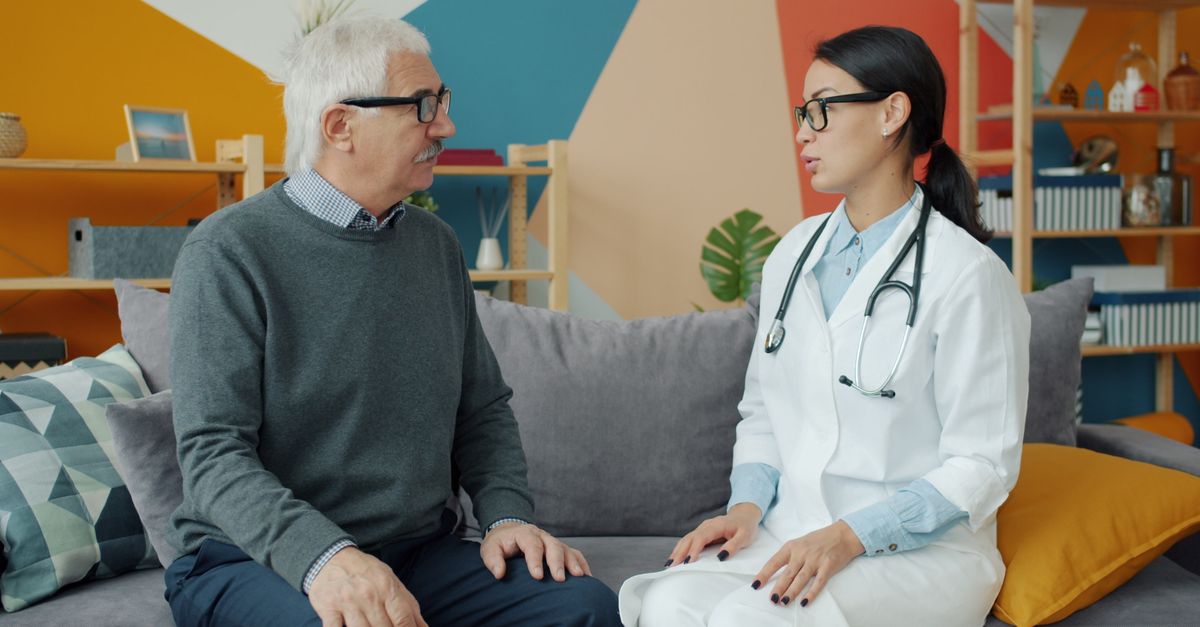
Tell your doctor if you have fallen, nearly fallen, feel unsteady, or find yourself holding onto furniture when you walk. Do not wait for an injury. A primary care visit can include a review of your medications, a check of blood pressure, an assessment of your balance and walking, and a conversation about vision, hearing, and bone health. Together you can build a plan that fits your life and keeps you independent.
Falling is not an inevitable part of getting older. With attention to strength, balance, medications, vision, and your surroundings, you can lower your risk meaningfully. If you have concerns about your balance or have had a recent fall, Ven A Verte Medical Center in Hialeah, FL is here to talk with you. Call (786) 542-1882 or reach out through our contact page.