
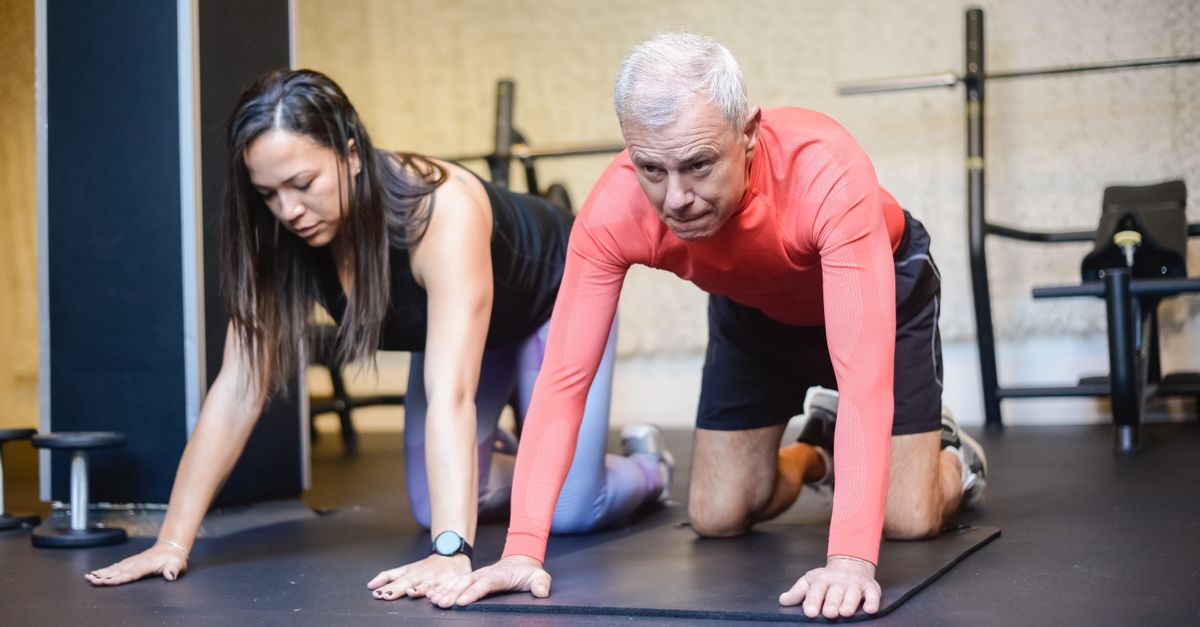
Maybe it is the first step out of bed that feels stiff, or the knee that complains on the stairs. Joint aches often arrive quietly, and many people assume they are simply the price of getting older. The good news is that much of joint health is influenced by daily habits, and it is rarely too late to start caring for them.
What Happens to Joints as We Age
A joint is where two bones meet, cushioned by smooth cartilage and lubricated by fluid inside a capsule, and supported by ligaments, tendons and muscles. Over the decades, cartilage can thin, joint fluid can change, and the muscles that support the joint can weaken if they are not used. These changes are common, but they do not affect everyone the same way, and they do not always cause pain.
Who Is Affected
Osteoarthritis, often called wear-and-tear arthritis, is the most common form of arthritis and becomes more frequent with age. It most often involves the knees, hips, hands and spine. Other factors raise the risk: previous joint injuries, family history, excess body weight, and physically demanding work or repetitive movements. Inflammatory conditions such as rheumatoid arthritis and gout can also affect joints and need their own evaluation.
Why It Matters
Joint pain is not only uncomfortable. When it makes us move less, muscles weaken, balance suffers, mood can dip and other health conditions, such as heart disease and diabetes, can become harder to manage. Protecting your joints is really about protecting your independence: walking the neighborhood, playing with grandchildren, gardening, and getting up from a chair with ease.
Protecting your joints is really about protecting your independence.
What the Research Shows
Large reviews of exercise studies consistently find that regular physical activity reduces pain and improves function in people with knee and hip osteoarthritis. Resting a sore joint completely tends to backfire, because stiffness and weakness follow. Weight also matters: every pound of body weight places roughly several pounds of force across the knee when walking, so even modest weight loss can ease the load and has been linked to less pain. Strength training, balance work and low-impact activities such as walking, swimming, cycling and tai chi all have supportive evidence.
Practical Ways to Protect Your Joints
You do not need a perfect routine. Small, steady changes add up. Consider these habits:
- Move every day, mixing low-impact aerobic activity, strength work and gentle stretching
- Maintain a healthy weight to reduce the load on knees, hips and spine
- Build the muscles around your joints so they absorb more of the stress
- Warm up before activity and increase intensity gradually
- Choose supportive, well-fitting shoes and set up your workspace to suit your body
- Eat a varied diet rich in vegetables, fruit, fish, nuts and olive oil
- Protect your sleep, and do not ignore pain that keeps returning
Heat can ease stiffness, and cold may calm a flare after activity. Over-the-counter pain relievers help some people, but they are not right for everyone, particularly those with kidney, stomach or heart conditions, so check with a clinician before using them regularly. Supplements have mixed evidence, so it is worth discussing them before you buy.
When to Seek Professional Help
Some soreness after a new activity is normal. But see a clinician if joint pain lasts more than a few weeks, wakes you at night, limits daily tasks, or comes with swelling, warmth, redness or morning stiffness lasting more than half an hour. Seek urgent care for a hot, swollen joint with fever, a joint that suddenly cannot bear weight, or pain after a significant injury.
An early conversation can clarify what is going on, rule out other causes, and build a plan that fits your life. If joint pain is slowing you down, we invite you to contact Ven A Verte Medical Center in Hialeah, FL at (786) 542-1882 to talk about your concerns.