
Few things feel as frustrating as a body that will not move the way it used to. Reaching for a high shelf, getting out of a chair, or walking to the mailbox can become a source of worry instead of a thing you do without thinking. If that sounds familiar, you are not alone, and you are not stuck. Physical therapy is one of the most practical, well-studied ways to rebuild movement and confidence.
What Is Physical Therapy?
Physical therapy is a form of care that uses guided exercise, hands-on techniques, education and movement retraining to improve how your body functions. A licensed physical therapist evaluates how you move, identifies what is limiting you, and builds a plan around your goals. Rather than simply masking symptoms, therapy aims to address the strength, flexibility, balance and movement habits that contribute to pain and stiffness.
Who Can Benefit?
Mobility problems affect people of every age and activity level. Physical therapy is commonly recommended for:
- Recovery after injuries such as sprains, strains and fractures
- Rehabilitation following joint replacement or other surgery
- Back, neck and shoulder pain
- Arthritis and age-related stiffness
- Balance problems and a higher risk of falls
- Weakness after a stroke or prolonged illness
How Therapy Restores Movement
Movement depends on several systems working together: muscles that are strong enough, joints that glide freely, and a nervous system that coordinates the effort. When pain or injury interrupts that teamwork, the body often compensates, and those workarounds can create new problems. Therapy works on several fronts at once.
Strengthening exercises rebuild the muscles that support your joints. Stretching and joint mobilization restore range of motion. Balance and coordination training retrain your body to react safely. Education helps you understand how to move, lift and rest in ways that protect healing tissue.
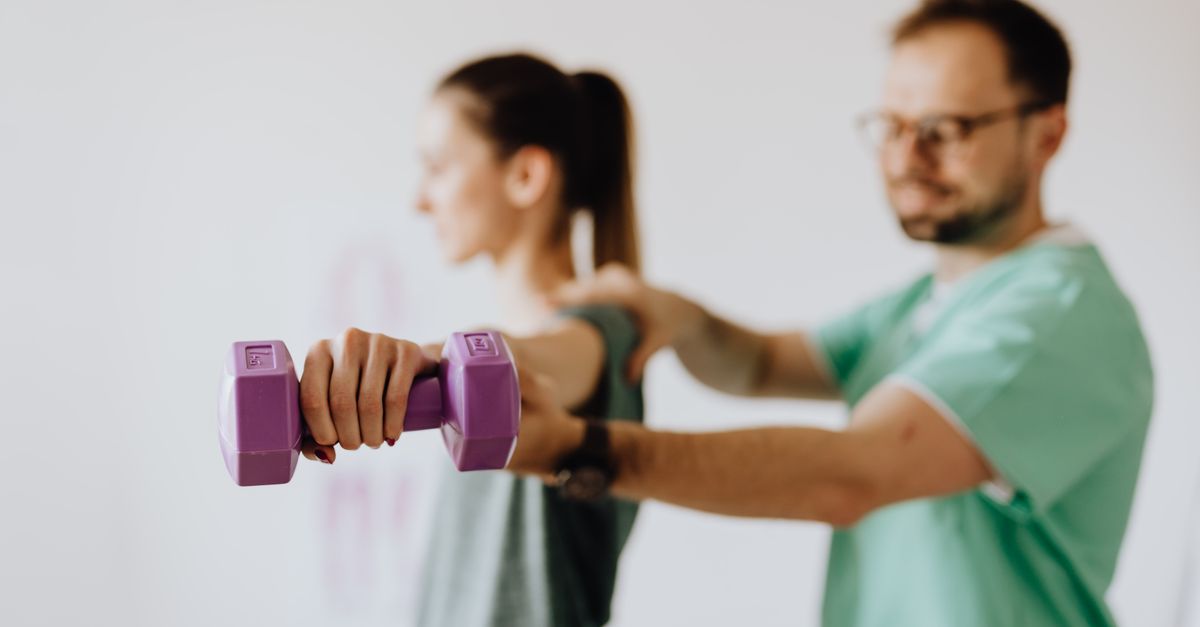
Physical therapy aims to address the strength, flexibility, balance and movement habits that contribute to pain and stiffness.
What the Research Shows
Clinical guidelines consistently support exercise-based therapy as a first-line approach for many musculoskeletal problems. For chronic low back pain and knee osteoarthritis, supervised exercise and movement training are widely recommended because they can reduce pain and improve function, often with fewer risks than more invasive options. After joint replacement, structured rehabilitation is a standard part of recovery. Fall-prevention programs that include balance and strength work have also been shown to lower fall risk in older adults.
Results vary from person to person, and the right plan depends on your diagnosis, health history and goals. That is why a proper evaluation matters.
What to Expect at Your First Visit
A first session usually begins with a conversation about your symptoms, your daily activities and what you hope to get back to doing. The therapist will assess your posture, strength, flexibility and the way you walk or move. From there, you will receive a plan that often includes in-clinic treatment and a short set of exercises to do at home. Progress is rechecked along the way and the plan is adjusted as you improve.
Tips for Getting the Most From Therapy
- Show up consistently, since gains in strength and range of motion build over weeks.
- Do your home exercises as prescribed, even on days you feel better.
- Report pain that is sharp, worsening or new instead of pushing through it.
- Increase activity gradually and let your therapist guide the pace.
- Set goals that matter to you, such as climbing stairs or gardening.
Take the First Step
If pain or stiffness is limiting your day, do not wait for it to pass on its own. Your primary care doctor can help figure out what is behind your symptoms and talk with you about whether physical therapy or another approach makes sense. Contact Ven A Verte Medical Center in Hialeah, FL at (786) 542-1882 to start the conversation.