
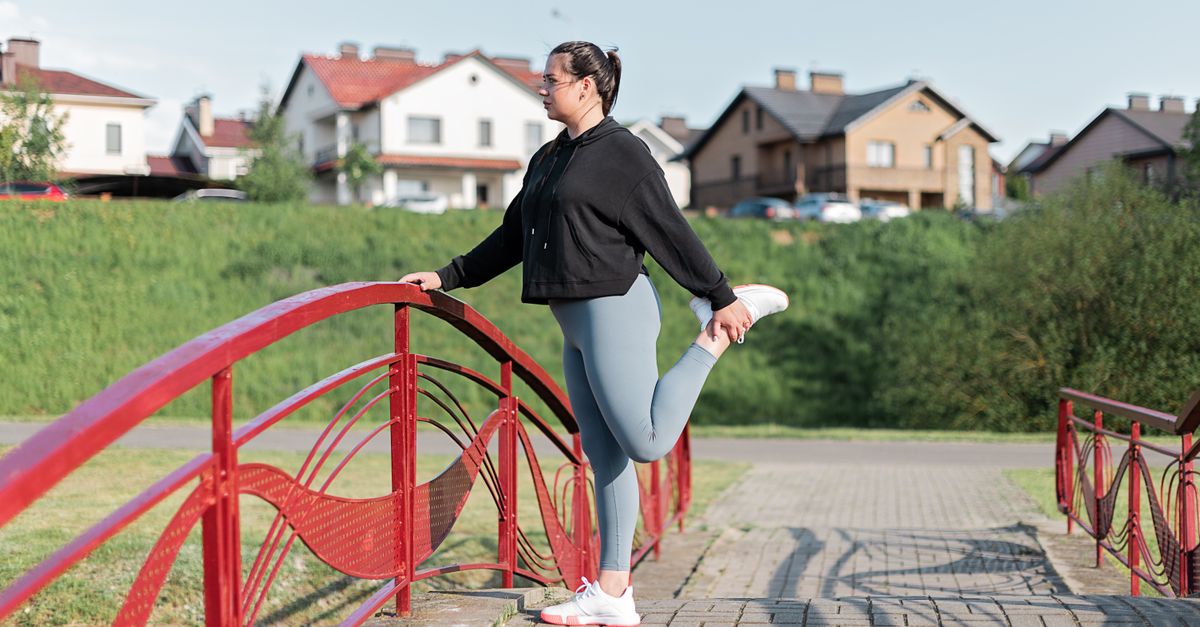
Most of us know we should move more. Yet between work, family, and the heat of a Florida afternoon, exercise can feel like one more thing on a long list. Here is the encouraging truth: you do not need a gym membership or an hour of free time to benefit. Small amounts of movement, repeated through the day, add up to real protection for your heart, mind, and body.
What Is Daily Movement?
Daily movement is any physical activity that gets your body working beyond rest. It includes planned exercise like brisk walking or swimming, but also everyday activity such as housework, gardening, climbing stairs, playing with grandchildren, or walking to the store. Health researchers sometimes separate this into structured exercise and general activity, and both count.
Who Is Affected by Too Little Movement?
Nearly everyone can be affected. Desk jobs, long commutes, and hours of screen time mean many adults spend most of the day sitting. Older adults, people managing chronic conditions, and those recovering from illness or injury may find it harder to stay active, but they often have the most to gain. Children and teens benefit as well, since habits built early tend to last.
Why It Matters
Regular movement helps your body use insulin more effectively, supports healthy blood pressure and cholesterol, and helps maintain a healthy weight. It strengthens muscles and bones, which supports balance and lowers the risk of falls as we age. It also affects how we feel: activity is linked with better sleep, lower stress, and improved mood and memory.
Prolonged sitting appears to carry its own risks, even for people who exercise at other times. Breaking up long periods of sitting is a simple step that helps.
What the Research Shows
National guidelines, including those from the U.S. Department of Health and Human Services and the World Health Organization, recommend that adults aim for at least 150 minutes of moderate-intensity activity each week, plus muscle-strengthening activities on two or more days. Moderate intensity means you can talk but not sing, such as a brisk walk.
Large studies consistently find that people who are active have lower rates of heart disease, type 2 diabetes, certain cancers, and early death than those who are inactive. Importantly, the biggest gains often come when someone moves from doing nothing to doing a little. Some activity is better than none, and more is better still.
Practical Ways to Move More
Start with what fits your life. Pick one or two ideas below and build from there:
- Take a 10 minute walk after one or more meals
- Stand up and move for a couple of minutes every 30 to 60 minutes of sitting
- Choose stairs, park farther away, or get off the bus one stop early
- Do simple strength moves like sit-to-stands or wall push-ups at home
- Stretch gently in the morning or before bed
- Turn phone calls, TV time or family visits into walking time
In warm weather, walk early or late in the day, drink water, wear breathable clothing, or try indoor options like a mall or community center. Gradually increase time or pace by a small amount each week rather than all at once.
When to Talk With a Doctor
Check in with a healthcare professional before increasing activity if you have heart disease, diabetes, joint problems, or have been inactive for a long time. Stop and seek care if you notice chest pain, severe shortness of breath, dizziness, or fainting. A primary care visit is a good time to talk about your goals, any limits, and a plan that feels safe and realistic.
If you are in the Hialeah area and would like support building healthier habits, Ven A Verte Medical Center is here to talk it through. Call (786) 542-1882 or reach out through our contact page.