
Most people who have high cholesterol feel perfectly fine. That is exactly why it worries so many families: nothing hurts, nothing warns you, and yet over the years it can quietly shape your risk of heart attack and stroke. The good news is that cholesterol is one of the most understandable and manageable health numbers you have.
What Is Cholesterol?
Cholesterol is a waxy, fat-like substance found in every cell of your body. You need it to build cell membranes, make hormones such as estrogen and testosterone, produce vitamin D, and create bile that helps digest fat. Your liver makes most of the cholesterol you need, and the rest comes from animal foods like meat, eggs and dairy.
The trouble starts when there is too much of the wrong kind circulating in your blood.
LDL, HDL and Triglycerides
Cholesterol travels through the blood inside particles called lipoproteins. A standard lipid panel usually reports several numbers:
- LDL (low-density lipoprotein): often called “bad” cholesterol. When levels are high, LDL can build up in artery walls and form plaque.
- HDL (high-density lipoprotein): often called “good” cholesterol. It helps carry cholesterol back to the liver for removal.
- Triglycerides: a type of fat that stores extra calories. High levels, especially with low HDL, are linked with greater heart risk.
- Total cholesterol: a combined measure that includes LDL, HDL and part of your triglycerides.
Most people who have high cholesterol feel perfectly fine.
Who Is Affected?
Cholesterol concerns can affect adults of every background, and even some children and teens. Risk goes up with:
- A family history of high cholesterol or early heart disease
- Type 2 diabetes, prediabetes or excess weight
- High blood pressure
- Smoking
- A diet high in saturated fat, trans fat and refined sugar
- Low physical activity
- Increasing age, and for women, the years after menopause
Some people have an inherited condition called familial hypercholesterolemia, which causes very high LDL from a young age even in people who eat well and stay active.
Why It Matters
Over time, excess LDL can contribute to atherosclerosis, a narrowing and hardening of the arteries. When plaque restricts blood flow to the heart, it can cause chest pain or a heart attack. When it affects arteries to the brain, it can lead to stroke. Narrowed arteries in the legs can cause pain with walking.
Large studies over several decades have consistently shown that lowering LDL cholesterol reduces the risk of cardiovascular events, and that the benefit grows with how long levels stay lower. Because plaque develops slowly, early awareness gives you more time to act.
Getting Tested
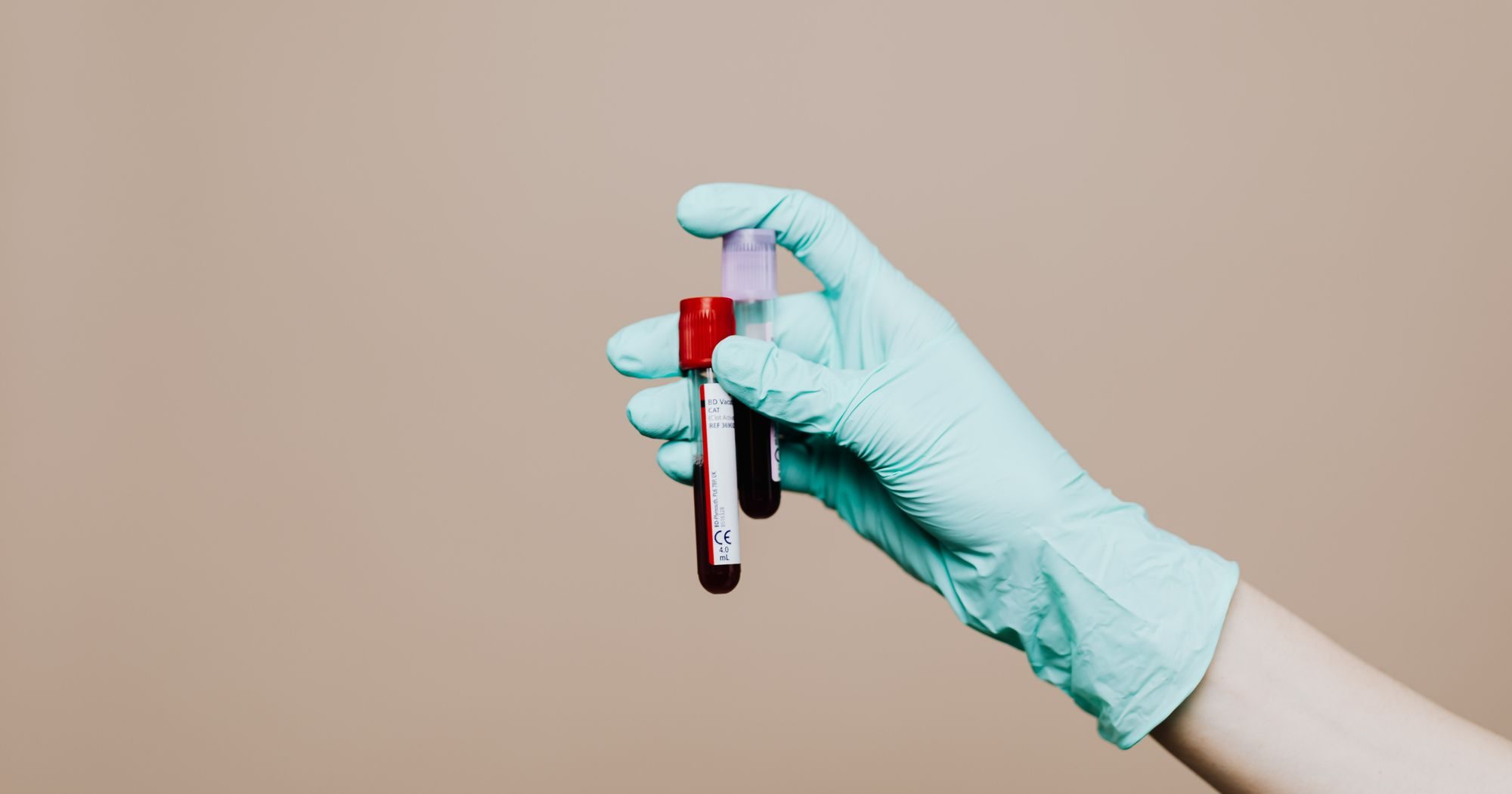
A lipid panel is a simple blood test. Depending on the test, you may be asked to fast beforehand, though many panels no longer require it. Guidelines generally recommend that adults have cholesterol checked periodically, starting earlier if there is a family history or other risk factors. How often you should be tested depends on your results and your overall health, so it is worth discussing with your doctor.
Practical Steps That Help
Lifestyle changes are the foundation of cholesterol care, and small steps add up.
- Fill half your plate with vegetables, fruit, beans and whole grains.
- Choose olive oil, nuts, and fish over butter, fatty meats and fried foods.
- Move your body: aim for about 150 minutes of moderate activity each week.
- Quit smoking, which lowers HDL and damages artery walls.
- Limit alcohol and sugary drinks, which can raise triglycerides.
- Keep regular checkups so your numbers can be tracked over time.
For some people, lifestyle changes are not enough, and medication such as a statin may be recommended. Whether treatment makes sense depends on your LDL level, other health conditions, and your overall risk, which is a decision best made with your doctor.
Talk With Someone Who Knows You
Your numbers are only part of the story. If you have questions about your cholesterol, want to understand a recent lab result, or simply have not had a checkup in a while, we invite you to reach out to Ven A Verte Medical Center in Hialeah, FL. A conversation about your heart health is a good place to start.