
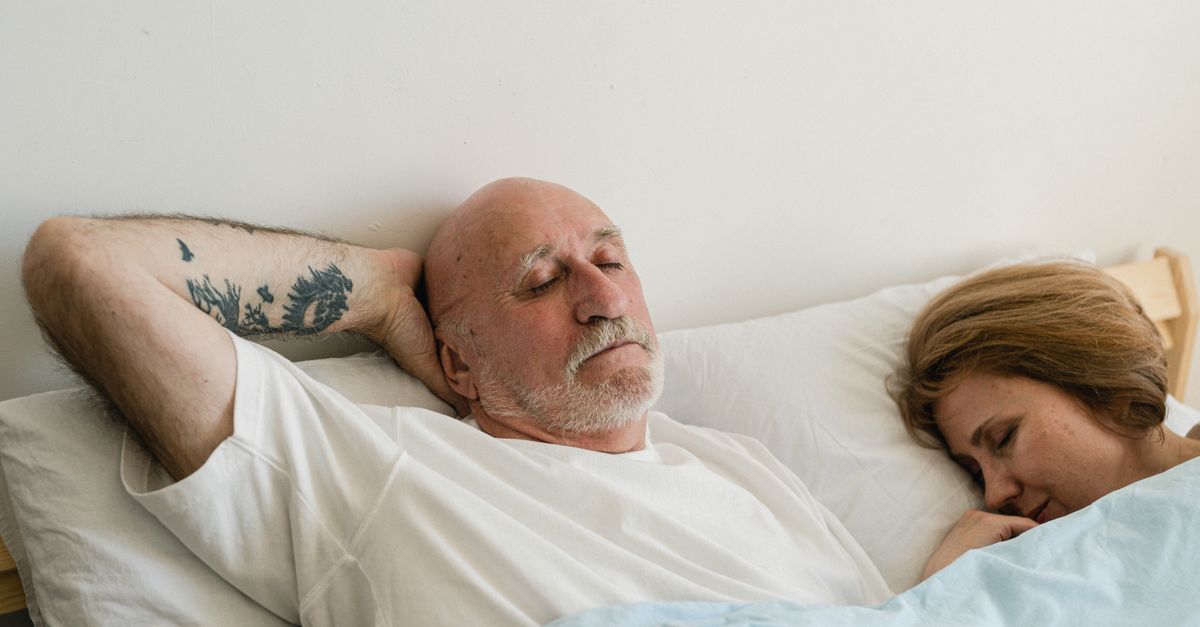
You know the feeling: you wake up after a restless night, reach for coffee, and the whole day feels harder. Foggy thinking, short patience and low energy are easy to dismiss as the price of a busy life. But sleep is not a luxury. It is one of the main ways your body repairs itself, and when it is cut short night after night, your health can pay for it.
Why Sleep Matters So Much
During sleep, your brain sorts memories, your body regulates hormones, and your cardiovascular system gets a chance to slow down. Most adults need roughly seven to nine hours per night, according to major sleep and public health organizations. Children and teenagers need more.
Sleep is not just time off. It is active maintenance for nearly every system in your body.
What Research Tells Us
Studies have linked chronically short or poor-quality sleep with a higher risk of several health problems, including:
- High blood pressure and heart disease
- Type 2 diabetes and difficulty managing weight
- Depression and anxiety
- Weaker immune response to common infections
- Problems with attention, memory and reaction time
These are associations seen across many studies, and sleep is only one piece of the picture. Still, the pattern is consistent enough that sleep is considered a core part of preventive health, alongside nutrition and physical activity.
Who Is Affected
Nearly everyone has a bad night now and then, but ongoing sleep trouble is common. Shift workers, parents of young children, caregivers, people under heavy stress, and adults managing chronic conditions or pain often struggle most. Hormonal changes, certain medications, and conditions such as sleep apnea or restless legs syndrome can also interfere with rest.
Practical Habits for Better Sleep
Small, steady changes often help more than dramatic ones. Healthcare experts commonly call these habits "sleep hygiene." Consider starting with a few of these:
- Keep a consistent bedtime and wake time, even on weekends.
- Get morning daylight and move your body during the day.
- Limit caffeine after midday and avoid large meals close to bedtime.
- Keep your bedroom dark, quiet and comfortably cool.
- Put screens away 30 to 60 minutes before bed.
- Build a short wind-down routine such as reading, stretching or a warm shower.
If you cannot fall asleep after about 20 minutes, get up and do something calm in dim light until you feel sleepy. Lying in bed frustrated can teach your brain to associate the bed with wakefulness.
Signs It May Be More Than a Rough Patch
Habits are a good first step, but some sleep problems need medical attention. Consider scheduling a visit if you notice:
- Loud snoring, gasping or pauses in breathing during sleep
- Trouble sleeping at least three nights a week for a month or longer
- Heavy daytime sleepiness, including drowsiness while driving
- Sleep trouble alongside persistent sadness, worry or pain
- Uncomfortable urges to move your legs at night
A primary care visit can look at the bigger picture, including your medications, stress, other health conditions and daily routines, and decide whether further evaluation or treatment makes sense.
Be Patient With Yourself
Worrying about sleep can make sleep harder. Aim for progress rather than perfection, and give new habits a few weeks to take hold. If you are doing the right things and still feel exhausted, that is not a personal failing. It is a signal worth taking seriously.
If sleep has been a struggle, we encourage you to reach out to Ven A Verte Medical Center in Hialeah, FL. Call (786) 542-1882 to talk about your concerns and take a step toward more restful nights.